
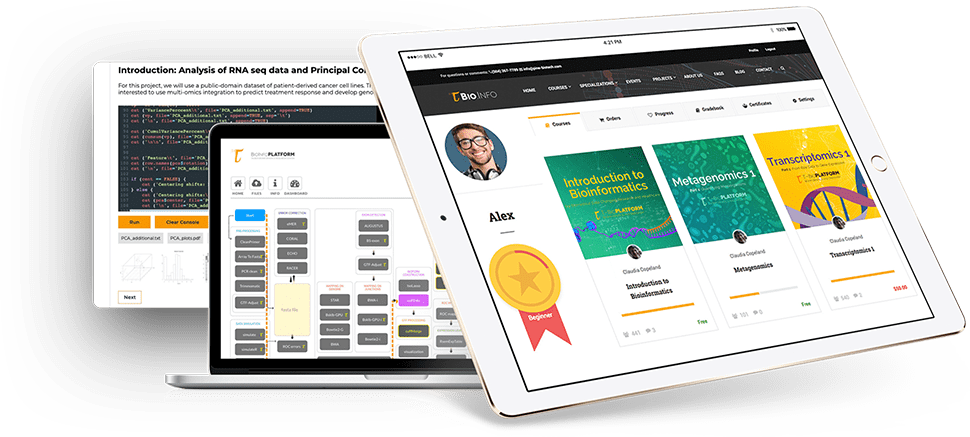
COURSES
PROJECTS | TUTORIALS | PROGRAMS
OMICSLOGIC COURSES
Course 1: Introduction to Bioinformatics
This is an introductory course that covers the topics of big data bioinformatics and its uses in basic research, healthcare, and the biotech and pharmaceutical industries.
Project 02: Ebolavirus: Deadly Mutations
Ebola viruses have affected thousands of people across the world, particularly in Africa. You will learn to employ bioinformatic approaches to analyze genomic sequences, identify particular viruses in patients samples.
Python Course 1: Introduction to Python for Omics Data Analysis
Introduction to analysis of biological data using Python: analysis of genomic sequences, conversion of DNA to RNA and protein code (NT to AA).
Course 3: Genomics
This course serves as an introduction to the bioinformatics sub-discipline of genomics. Students will be familiarized with the biology of genetics and genetic variation while considering practical applications using publicly available datasets.
Project 01: COVID-19 Origin & Pathogenesis of SARS-COV2
Bioinformatics approaches to delineate SARS-COV2 infection, including its origin, relation with other coronavirus strains, protein components crucial for pathogenicity and transcriptomics signatures of treatment.
Course 9: Designing a Bioinformatics Research Project
Learn how to identify a research topic, perform literature review to refine it and find a dataset for your project. Then translate your ideas or questions into an analysis plan.
R-Coding Course 2: Introduction to Data Science (BioML)
Learn data wrangling, visualization, statistical analysis, and machine learning.
R-Coding Course 1: Introduction To R for Biotechnologists
Get started with bioinformatics by analyzing genomic sequences and finding patterns.
INSIGHTS FROM MOLECULAR DATA
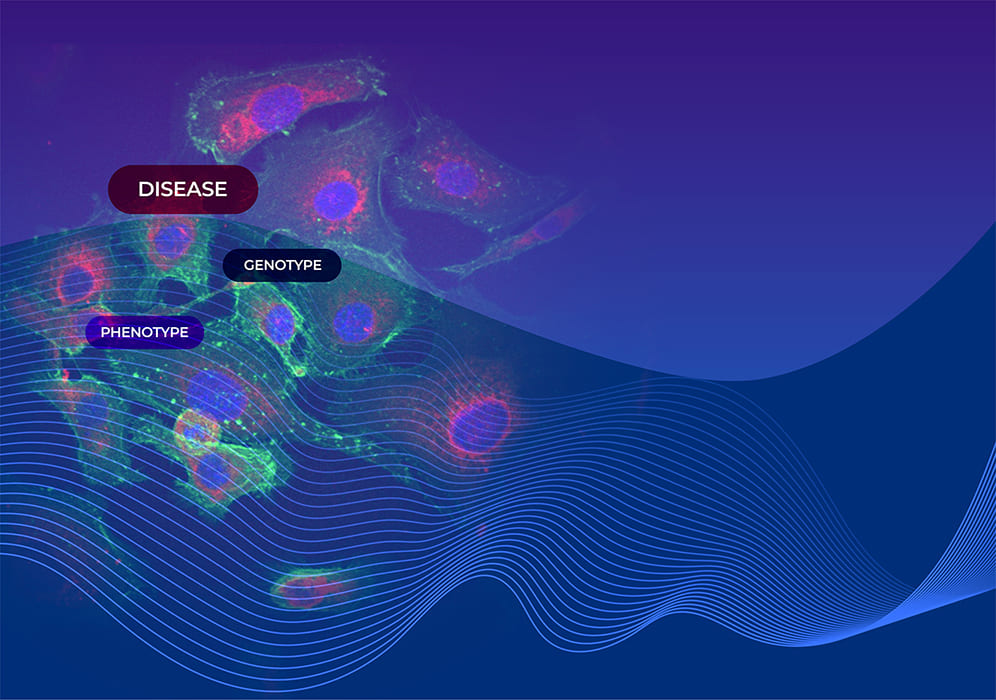
The bioinformatics experience will help students understand the relationship between biological phenomena and the underlying molecular data. Mastering various omics data types, we can uncover the complex sub-cellular regulation that drives phenotype such as disease progression, cell morphology or tissue variation.
START LEARNING TODAYDeveloping Analytical Thinking and Data-driven Research
LEARN BIOINFORMATICS AND DATA SCIENCE
USING REAL RESEARCH PROJECT EXAMPLES
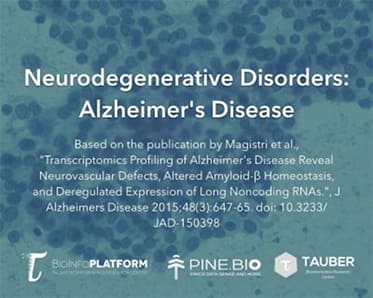
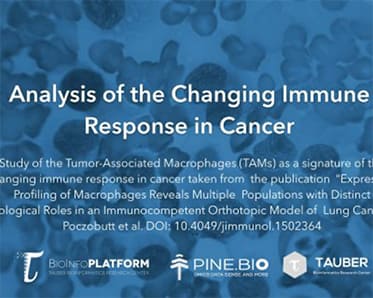
Relying on public-domain data generated in research labs with peer-reviewed articles as our guideline, we develop practical exercises that you can leverage to learn about the impact of bioinformatics. In these examples, we take data, analysis methods and results to make a research experience for a beginner or an expert to follow. As the logic of analysis becomes clear, you can also develop a research project of your own and put your knowledge to the test.
User-friendly Solution for Non-Technical Users
Based on Visual and Logical Learning
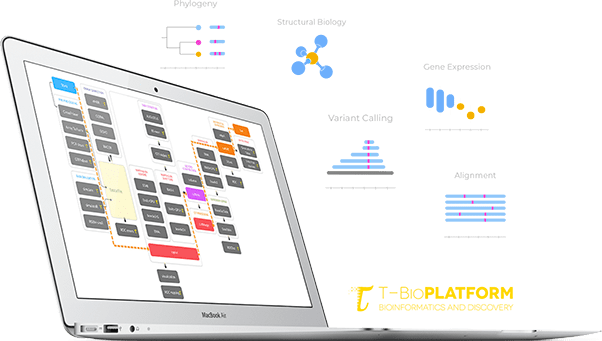
USER-FRIENDLY BIG DATA ANALYSIS
Enhance, update or start from scratch with short term training or degree programs that will make a difference for your student achievement.We live in the age of data. To harness it’s potential in life sciences, effective management, analysis and visualization skills are critical for the technician, researcher, clinician and the average, curious citizen. In the 21st century, data science skills are central to our ability to answer questions about our past, present and future. Omics Logic was designed to develop critical thinking and research skills that are based on the solid foundation of data.




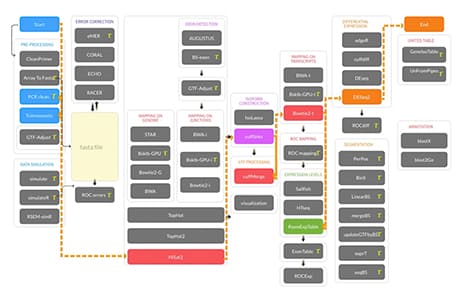
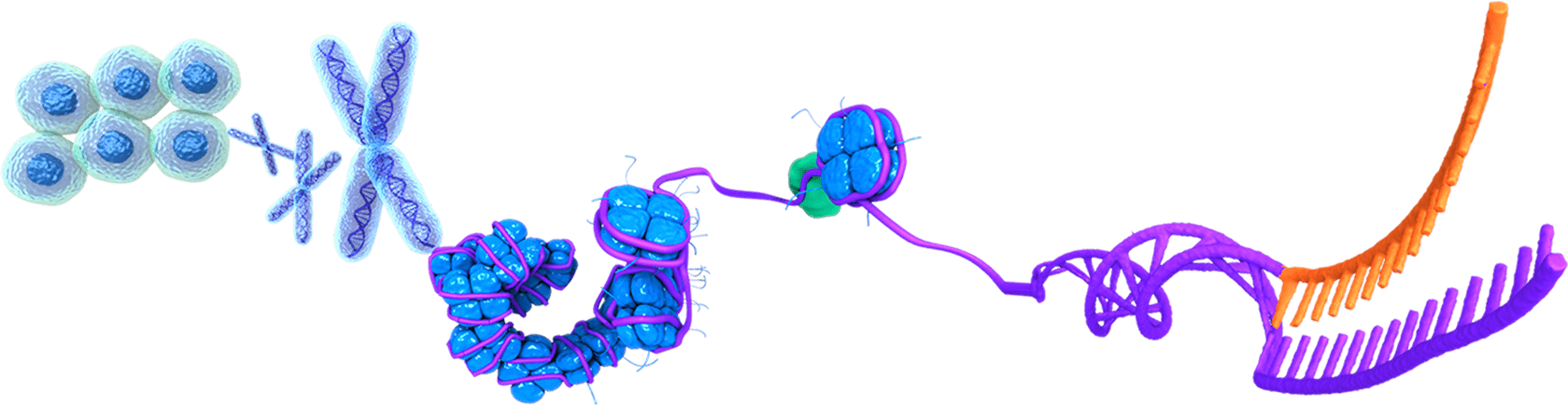
Example of RNA processing
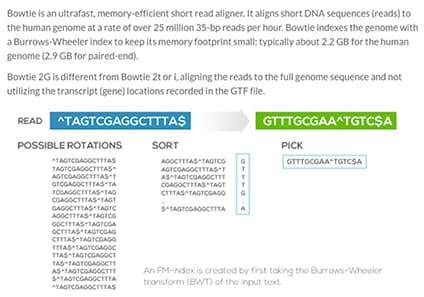
Informative pop-ups for each method
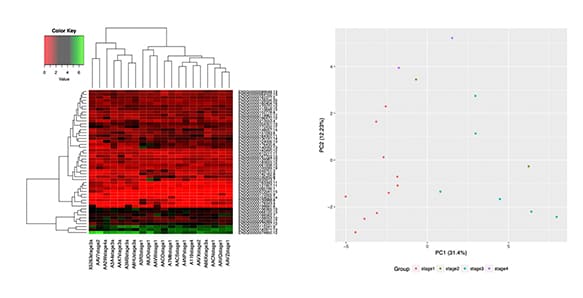
Visual outputs help understand and explore analysis results
Enhanced by Practical Coding Exercises in R and Python
Relying on public-domain data generated in research labs with peer-reviewed articles as our guideline, we develop practical exercises that you can leverage to learn about the impact of bioinformatics. In these examples, we take data, analysis methods and results to make a research experience for a beginner or an expert to follow. As the logic of analysis becomes clear, you can also develop a research project of your own and put your knowledge to the test.
START CODING

Resources to Get Started and Grow
Use the Right Tool for the Right Task
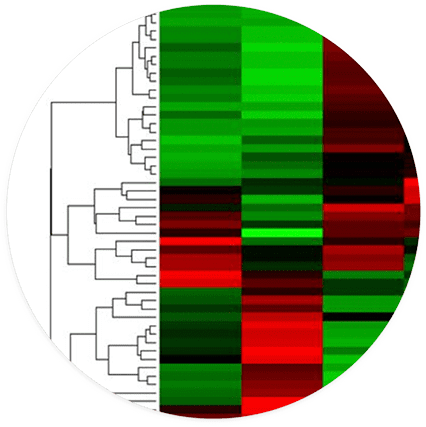
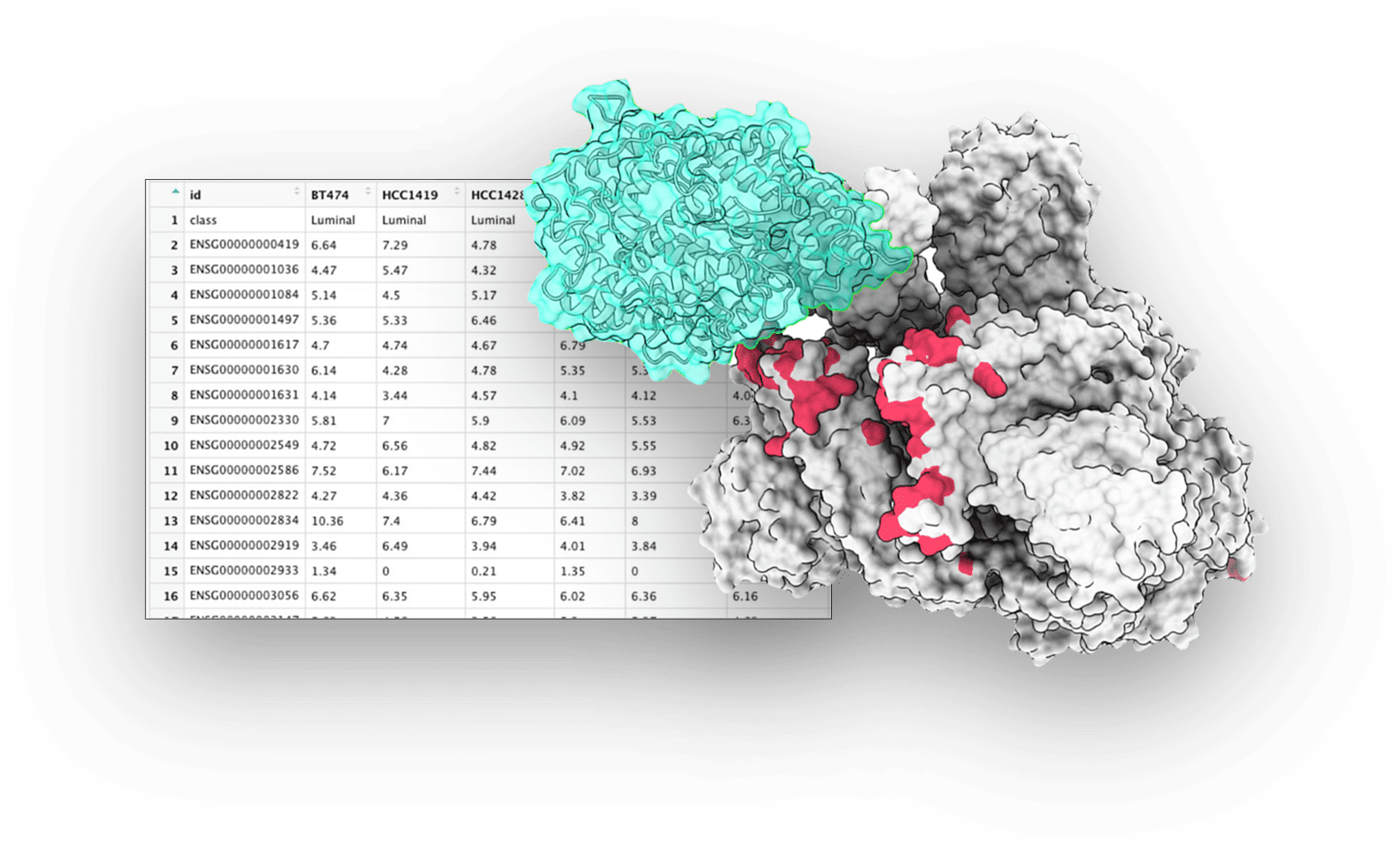
Understand the various OMICS data types, formats and associated challenges
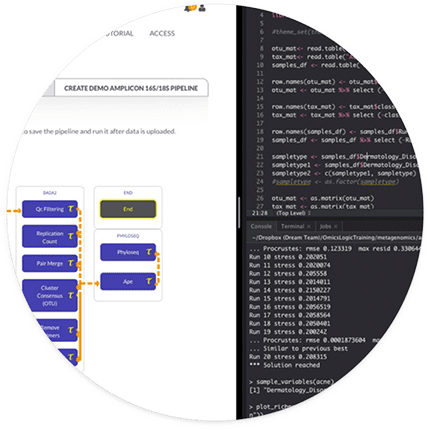
Learn about Exploratory Data Analysis and the steps of processing data and preparation for analysis
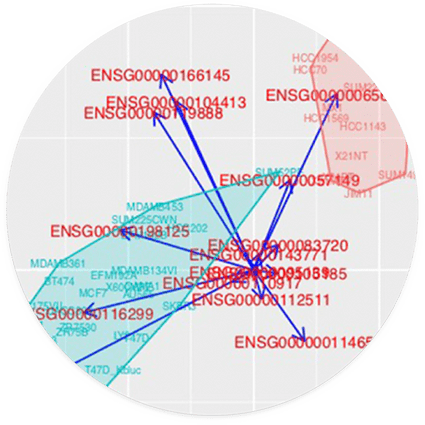
Try BIG DATA analysis tools for large-scale project data and try machine learning
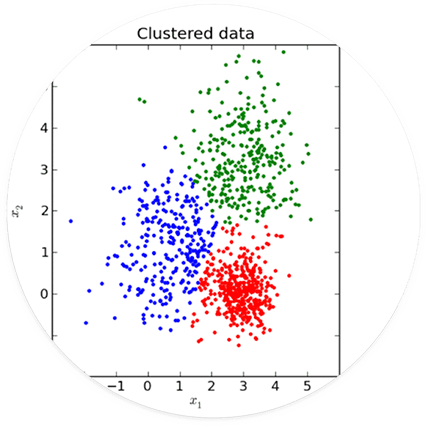
Learn about the important link between data and biology: master biological interpretation
OmicsLogic Specialization Tracks